Structural Acupuncture for Pain & Injury
Acupuncture Built Around Anatomy, Pain & Movement
Not all acupuncture treatments look the same.
My approach at Willow Tree Healers is focused on pain, injuries, and restoring function. Rather than treating symptoms with the same collection of acupuncture points every visit, I look at the muscles, joints, nerves, movement patterns, and other structures that may be contributing to your problem.
Treatment is then built around what I find.
That may include acupuncture into specific muscles, trigger points or motor points, along with electroacupuncture, cupping, stretching, and other techniques when appropriate.
The goal is straightforward: figure out what is keeping you from moving and feeling the way you should, treat it, and help you get back to what you want to do.
My approach at Willow Tree Healers is focused on pain, injuries, and restoring function. Rather than treating symptoms with the same collection of acupuncture points every visit, I look at the muscles, joints, nerves, movement patterns, and other structures that may be contributing to your problem.
Treatment is then built around what I find.
That may include acupuncture into specific muscles, trigger points or motor points, along with electroacupuncture, cupping, stretching, and other techniques when appropriate.
The goal is straightforward: figure out what is keeping you from moving and feeling the way you should, treat it, and help you get back to what you want to do.
What Is Structural Acupuncture?
Structural acupuncture is an anatomy-based approach to acupuncture.
If your shoulder hurts when you reach overhead, for example, I'm not interested only in finding an acupuncture point traditionally associated with shoulder pain. I want to know:
- Which movements hurt?
- Which muscles aren't functioning normally?
- Where is the pain actually coming from?
- Is another area contributing to the problem?
- What changes when we test movement before and after treatment?
That information helps determine where and how I treat you.
Depending on the condition, needles may be placed into specific muscles, trigger points, motor points, or traditional acupuncture points. Electrical stimulation may also be applied through the needles when appropriate.
This is why treatment at Willow Tree Healers may look different from someone's previous experience with acupuncture.
Looking for Dry Needling?
If you searched for “dry needling near me” and ended up here, you're in the right place to learn about your options in California.
Dry needling is a term commonly used for anatomy-based needle techniques targeting muscles, trigger points, and other tissues involved in pain and movement dysfunction.
There is considerable overlap between some of those techniques and the structural acupuncture techniques I use in my practice.
There is, however, an important distinction in California.
Can Physical Therapists Perform Dry Needling in California?
Under current California law, dry needling is not within the scope of practice of a California physical therapist based solely on a PT license.
California regulates therapeutic needle insertion differently from many states where physical therapists are authorized to perform dry needling.
As a California Licensed Acupuncturist, needle-based treatment is part of my licensed scope of practice.
My structural approach may include targeting:
Muscles • Trigger Points • Motor Points • Areas of Referred Pain • Musculotendinous Structures • Traditional Acupuncture Points
I may also apply electrical stimulation through acupuncture needles to target involved muscles and tissues.
Is Structural Acupuncture the Same as Dry Needling?
Not exactly—and I don't think calling them identical is particularly useful.
“Dry needling” and “acupuncture” come from different professional traditions, and laws governing the terminology and who may perform these techniques vary by state.
What matters to most patients is what actually happens during treatment.
If you've previously benefited from dry needling, or another healthcare provider recommended that you look for it, my structural and trigger-point-focused style of acupuncture may be very similar to the type of treatment you're trying to find.
Here at Willow Tree Healers, that treatment is performed as acupuncture by a California Licensed Acupuncturist.
Already working with a PT, chiropractor, or other provider?
Great.
Structural acupuncture doesn't need to replace your other care. I regularly treat patients whose rehabilitation involves other healthcare professionals.
If your PT or other provider believes targeted needle treatment could complement what you're already doing, I'm happy to work alongside your existing treatment plan.
If you searched for “dry needling near me” and ended up here, you're in the right place to learn about your options in California.
Dry needling is a term commonly used for anatomy-based needle techniques targeting muscles, trigger points, and other tissues involved in pain and movement dysfunction.
There is considerable overlap between some of those techniques and the structural acupuncture techniques I use in my practice.
There is, however, an important distinction in California.
Can Physical Therapists Perform Dry Needling in California?
Under current California law, dry needling is not within the scope of practice of a California physical therapist based solely on a PT license.
California regulates therapeutic needle insertion differently from many states where physical therapists are authorized to perform dry needling.
As a California Licensed Acupuncturist, needle-based treatment is part of my licensed scope of practice.
My structural approach may include targeting:
Muscles • Trigger Points • Motor Points • Areas of Referred Pain • Musculotendinous Structures • Traditional Acupuncture Points
I may also apply electrical stimulation through acupuncture needles to target involved muscles and tissues.
Is Structural Acupuncture the Same as Dry Needling?
Not exactly—and I don't think calling them identical is particularly useful.
“Dry needling” and “acupuncture” come from different professional traditions, and laws governing the terminology and who may perform these techniques vary by state.
What matters to most patients is what actually happens during treatment.
If you've previously benefited from dry needling, or another healthcare provider recommended that you look for it, my structural and trigger-point-focused style of acupuncture may be very similar to the type of treatment you're trying to find.
Here at Willow Tree Healers, that treatment is performed as acupuncture by a California Licensed Acupuncturist.
Already working with a PT, chiropractor, or other provider?
Great.
Structural acupuncture doesn't need to replace your other care. I regularly treat patients whose rehabilitation involves other healthcare professionals.
If your PT or other provider believes targeted needle treatment could complement what you're already doing, I'm happy to work alongside your existing treatment plan.
Frequently Asked Questions
Does Acupuncture Hurt?
Usually much less than people expect.
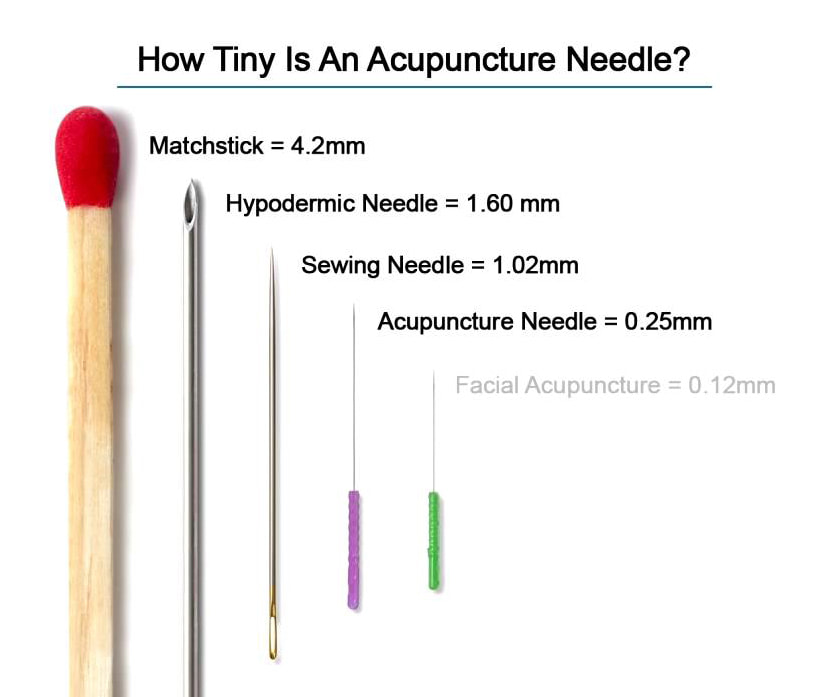
Acupuncture needles are extremely thin and are very different from the hollow needles used for injections or blood draws.
You may barely notice some needles. Others—particularly when we're intentionally targeting a tight or dysfunctional muscle—can produce a brief ache, pressure, heaviness, twitch, or electrical-like sensation.
With structural acupuncture, feeling absolutely nothing isn't necessarily the objective. We're sometimes intentionally interacting with the tissue causing your problem.
That said, treatment should always remain tolerable. Tell me what you're feeling and we can adjust accordingly.
What Is a Trigger Point?
A trigger point is a sensitive area within muscle tissue that may contribute to local pain, referred pain, tightness, or restricted movement.
Sometimes the place you feel pain isn't the only place contributing to it.
Structural acupuncture allows me to assess and, when appropriate, directly treat muscular areas that appear to be involved in your symptoms.
What Is a Motor Point?
A motor point is an area where stimulation can efficiently activate a muscle through its motor nerve.
Motor-point acupuncture, especially when combined with electrical stimulation, can be useful when treatment is focused on muscular function rather than simply the location where someone feels pain.
Not every patient or injury requires motor-point treatment. It's one tool among several that I can incorporate based on what I find during your evaluation.
What Is Electroacupuncture?
Electroacupuncture involves connecting a small electrical stimulation device to acupuncture needles after they've been placed.
This allows controlled stimulation of the targeted area and can be particularly useful when I'm working with specific muscles and musculoskeletal pain.
You'll generally feel a tapping, pulsing, or contracting sensation. You remain in control of the intensity, and treatment should stay within a comfortable range.
What Is Cupping?
Cupping uses suction applied to the skin over targeted areas.
I often use it alongside acupuncture when working with muscular tension, soreness, or restricted movement.
Cupping can leave temporary circular marks that look like bruises, although they aren't produced the same way as an impact bruise. The discoloration usually fades over several days.
And no—the darker the mark is not a score for how many “toxins” were removed.
Do You Use Traditional Chinese Medicine?
Yes.
I'm a Licensed Acupuncturist and my education includes the traditional theories and treatment methods underlying Chinese medicine.
My practice, however, has developed a particular emphasis on musculoskeletal anatomy, pain, injury, movement, and function.
Traditional acupuncture concepts and modern anatomical approaches don't have to be mutually exclusive. I use the tools that make sense for the person and problem in front of me.
What Conditions Do You Treat?
My practice primarily focuses on pain and musculoskeletal problems, including:
Back and neck pain • Sciatica • Shoulder pain and injuries • Hip and knee pain • Sports injuries • Overuse injuries • Muscle strains • Repetitive strain problems • Chronic pain • Restricted or painful movement
You don't need to know exactly what structure is causing your symptoms before coming in. Figuring that out is part of my job.
How Many Treatments Will I Need?
There isn't an honest universal answer.
A recent muscle strain in an otherwise healthy person is very different from pain that has been present for ten years.
Your treatment frequency depends on factors including how long the problem has existed, its severity, what tissues are involved, your activity level, and how your body responds to treatment.
After evaluating you and seeing how you respond, I'll give you a more useful recommendation.
My goal isn't to keep you coming indefinitely.
The goal is to get you functioning well enough that you don't need me.
What Happens at the First Appointment?
Your first visit begins with a conversation and assessment.
We'll discuss what hurts, when it started, what makes it better or worse, what you've already tried, and—most importantly--what the problem is preventing you from doing.
I'll evaluate the relevant area and movement when appropriate, explain what I think may be contributing, and we'll begin treatment during that same appointment.
Treatment is individualized rather than following a predetermined protocol based solely on your diagnosis.
What Should I Wear?
Wear or bring clothing that allows reasonable access to the area we're treating.
Shorts are particularly useful for hip, knee, leg, and lower-back complaints. A tank top or loose shirt can make shoulder and upper-back treatment easier.
Appropriate draping is used when necessary.
If you're unsure, just come as you are. We'll figure it out.
Can I Exercise After Acupuncture?
Usually, yes—but what you're recovering from matters.
Some people return immediately to normal activity. After more intensive muscular treatment, you may feel temporarily sore or fatigued.
I'll let you know if I think your particular treatment warrants modifying activity afterward.
Still Not Sure If This Is Right for You?
You don't need to decide whether you need acupuncture, structural acupuncture, trigger-point acupuncture, motor-point acupuncture, or something resembling dry needling.
That's my job.
You need to tell me what hurts, what isn't working, and what you want to get back to doing.
We'll start there.
Willow Tree Healers – Jason Lane, L.Ac.
Sports Medicine & Structural Acupuncture
Roseville, California
Usually much less than people expect.
Acupuncture needles are extremely thin and are very different from the hollow needles used for injections or blood draws.
You may barely notice some needles. Others—particularly when we're intentionally targeting a tight or dysfunctional muscle—can produce a brief ache, pressure, heaviness, twitch, or electrical-like sensation.
With structural acupuncture, feeling absolutely nothing isn't necessarily the objective. We're sometimes intentionally interacting with the tissue causing your problem.
That said, treatment should always remain tolerable. Tell me what you're feeling and we can adjust accordingly.
What Is a Trigger Point?
A trigger point is a sensitive area within muscle tissue that may contribute to local pain, referred pain, tightness, or restricted movement.
Sometimes the place you feel pain isn't the only place contributing to it.
Structural acupuncture allows me to assess and, when appropriate, directly treat muscular areas that appear to be involved in your symptoms.
What Is a Motor Point?
A motor point is an area where stimulation can efficiently activate a muscle through its motor nerve.
Motor-point acupuncture, especially when combined with electrical stimulation, can be useful when treatment is focused on muscular function rather than simply the location where someone feels pain.
Not every patient or injury requires motor-point treatment. It's one tool among several that I can incorporate based on what I find during your evaluation.
What Is Electroacupuncture?
Electroacupuncture involves connecting a small electrical stimulation device to acupuncture needles after they've been placed.
This allows controlled stimulation of the targeted area and can be particularly useful when I'm working with specific muscles and musculoskeletal pain.
You'll generally feel a tapping, pulsing, or contracting sensation. You remain in control of the intensity, and treatment should stay within a comfortable range.
What Is Cupping?
Cupping uses suction applied to the skin over targeted areas.
I often use it alongside acupuncture when working with muscular tension, soreness, or restricted movement.
Cupping can leave temporary circular marks that look like bruises, although they aren't produced the same way as an impact bruise. The discoloration usually fades over several days.
And no—the darker the mark is not a score for how many “toxins” were removed.
Do You Use Traditional Chinese Medicine?
Yes.
I'm a Licensed Acupuncturist and my education includes the traditional theories and treatment methods underlying Chinese medicine.
My practice, however, has developed a particular emphasis on musculoskeletal anatomy, pain, injury, movement, and function.
Traditional acupuncture concepts and modern anatomical approaches don't have to be mutually exclusive. I use the tools that make sense for the person and problem in front of me.
What Conditions Do You Treat?
My practice primarily focuses on pain and musculoskeletal problems, including:
Back and neck pain • Sciatica • Shoulder pain and injuries • Hip and knee pain • Sports injuries • Overuse injuries • Muscle strains • Repetitive strain problems • Chronic pain • Restricted or painful movement
You don't need to know exactly what structure is causing your symptoms before coming in. Figuring that out is part of my job.
How Many Treatments Will I Need?
There isn't an honest universal answer.
A recent muscle strain in an otherwise healthy person is very different from pain that has been present for ten years.
Your treatment frequency depends on factors including how long the problem has existed, its severity, what tissues are involved, your activity level, and how your body responds to treatment.
After evaluating you and seeing how you respond, I'll give you a more useful recommendation.
My goal isn't to keep you coming indefinitely.
The goal is to get you functioning well enough that you don't need me.
What Happens at the First Appointment?
Your first visit begins with a conversation and assessment.
We'll discuss what hurts, when it started, what makes it better or worse, what you've already tried, and—most importantly--what the problem is preventing you from doing.
I'll evaluate the relevant area and movement when appropriate, explain what I think may be contributing, and we'll begin treatment during that same appointment.
Treatment is individualized rather than following a predetermined protocol based solely on your diagnosis.
What Should I Wear?
Wear or bring clothing that allows reasonable access to the area we're treating.
Shorts are particularly useful for hip, knee, leg, and lower-back complaints. A tank top or loose shirt can make shoulder and upper-back treatment easier.
Appropriate draping is used when necessary.
If you're unsure, just come as you are. We'll figure it out.
Can I Exercise After Acupuncture?
Usually, yes—but what you're recovering from matters.
Some people return immediately to normal activity. After more intensive muscular treatment, you may feel temporarily sore or fatigued.
I'll let you know if I think your particular treatment warrants modifying activity afterward.
Still Not Sure If This Is Right for You?
You don't need to decide whether you need acupuncture, structural acupuncture, trigger-point acupuncture, motor-point acupuncture, or something resembling dry needling.
That's my job.
You need to tell me what hurts, what isn't working, and what you want to get back to doing.
We'll start there.
Willow Tree Healers – Jason Lane, L.Ac.
Sports Medicine & Structural Acupuncture
Roseville, California
|
HoursM - F : 9am-12pm; 1pm-5pm
|
Telephone916-847-1692
|
|